Annual Symposium Recap
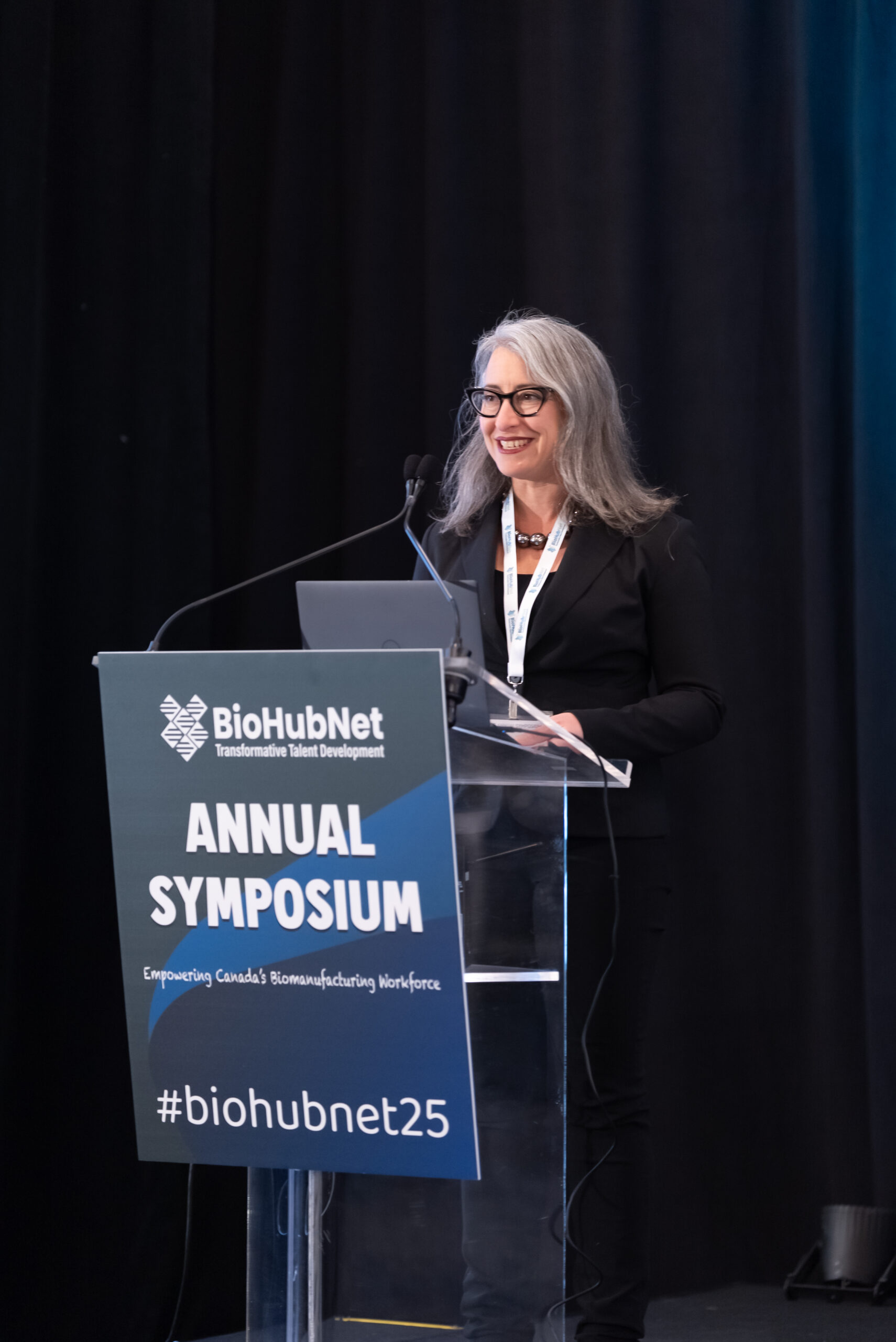
Professor Leah Cowen, Vice-President, Research & Innovation and Strategic Initiatives at the University of Toronto, opened BioHubNet’s first Annual Symposium by welcoming colleagues, collaborators, partners, students, and trainees, and celebrating Canada’s biomanufacturing and life sciences ecosystem. She highlighted U of T’s legacy with partner hospitals and a unique portfolio of bio-innovation assets that concentrate top talent—citing leading global standings in research impact (No. 1 in Canada, No. 4 globally), medicine (No. 2), and life sciences (No. 12). Framing this as a pivotal moment, she underscored the urgent talent gap that could hinder innovation, scaling, and crisis response. Cowen emphasized Ontario’s strength as the nation’s largest biomedical research cluster and hub for STEM graduates, and pointed to BioHubNet—launched in 2024 with support from the Canada Biomedical Research Fund—as building the robust talent pipeline needed to advance next-generation medicines, strengthen health security, and grow the sector’s economy.
Listen to the audio-only recording.
BioHubNet Program Overview
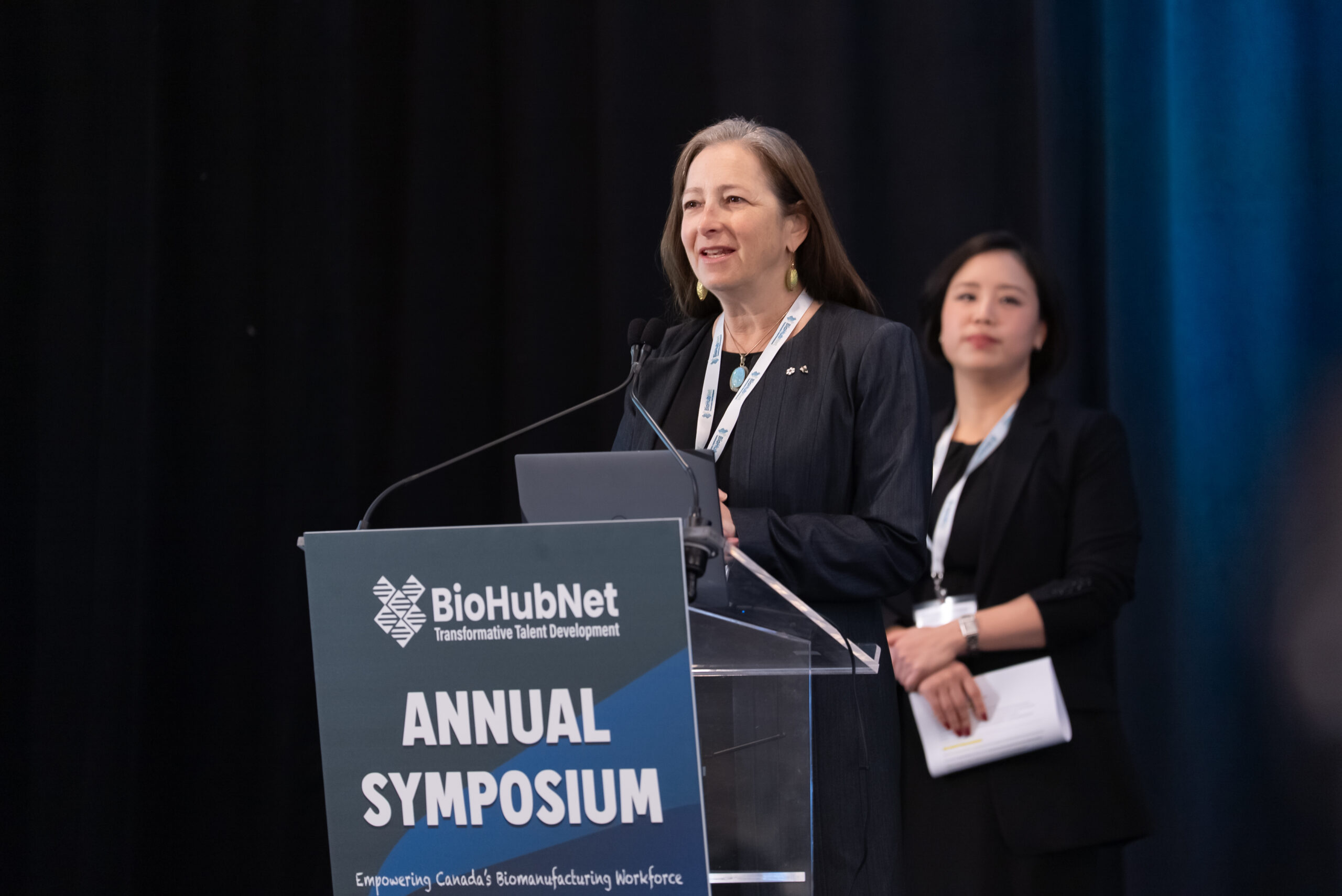
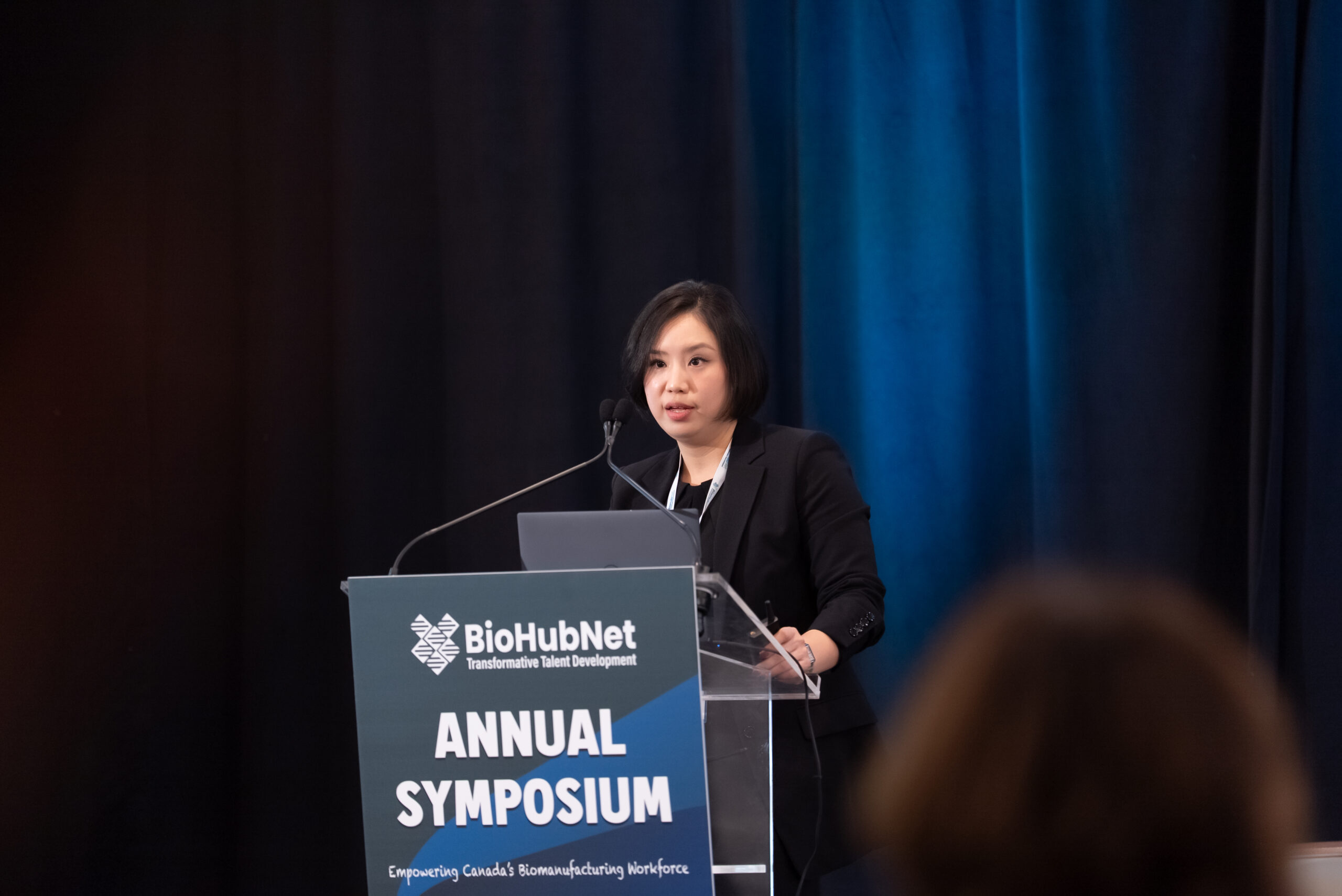
Professor Molly Shoichet framed BioHubNet as a community built—thanks to Canada Biomedical Research Fund support—to close the talent gap revealed by the pandemic by uniting industry, academia, and government around training. She introduced the three pillars: ENGAGE (curated micro-credential courses), EXPERIENCE (industry internships), and EQUIP (entrepreneurship).
Director Yoo Jin Park then detailed the programs: an online platform hosting ~70 on-demand courses plus partner workshops; upcoming structured learning pathways aligned to career tracks (biomanufacturing, QA/QC, R&D, Regulatory Affairs, AI); a trainee $5,000 training credit upon ENGAGE enrollment; and a mentorship/networking hub for 1:1 meetings—alongside a new partnership with CANTRAIN (announcement forthcoming). Under EXPERIENCE, BHN facilitates 4–12-month internships via a matching platform, now expanded through Mitacs umbrella co-funding, and launched a Knowledge Exchange Program offering up to $30,000 (with an optional $10,000 mobility add-on) for 4–6-month cross-disciplinary or new-skills placements (applications open; deadline Nov 14). EQUIP supports ventures via Venture Connect (monthly travel grants up to $5,000) and VentureLift ($25,000 per round; next intake in January). Early momentum: 300+ registrants, 100+ HQP in ENGAGE, 30+ 1:1 sessions, 20+ employers hosting placements, and 19 trainee-led ventures supported. They closed with a call to action—trainees to participate and give feedback; industry to host and mentor; training partners to align offerings; and policymakers to sustain investment—thanking partners for a week of seven trainings, tours, and an entrepreneurial bootcamp that showcased the ecosystem’s energy.
Listen to the audio-only recording.
Key Note Address
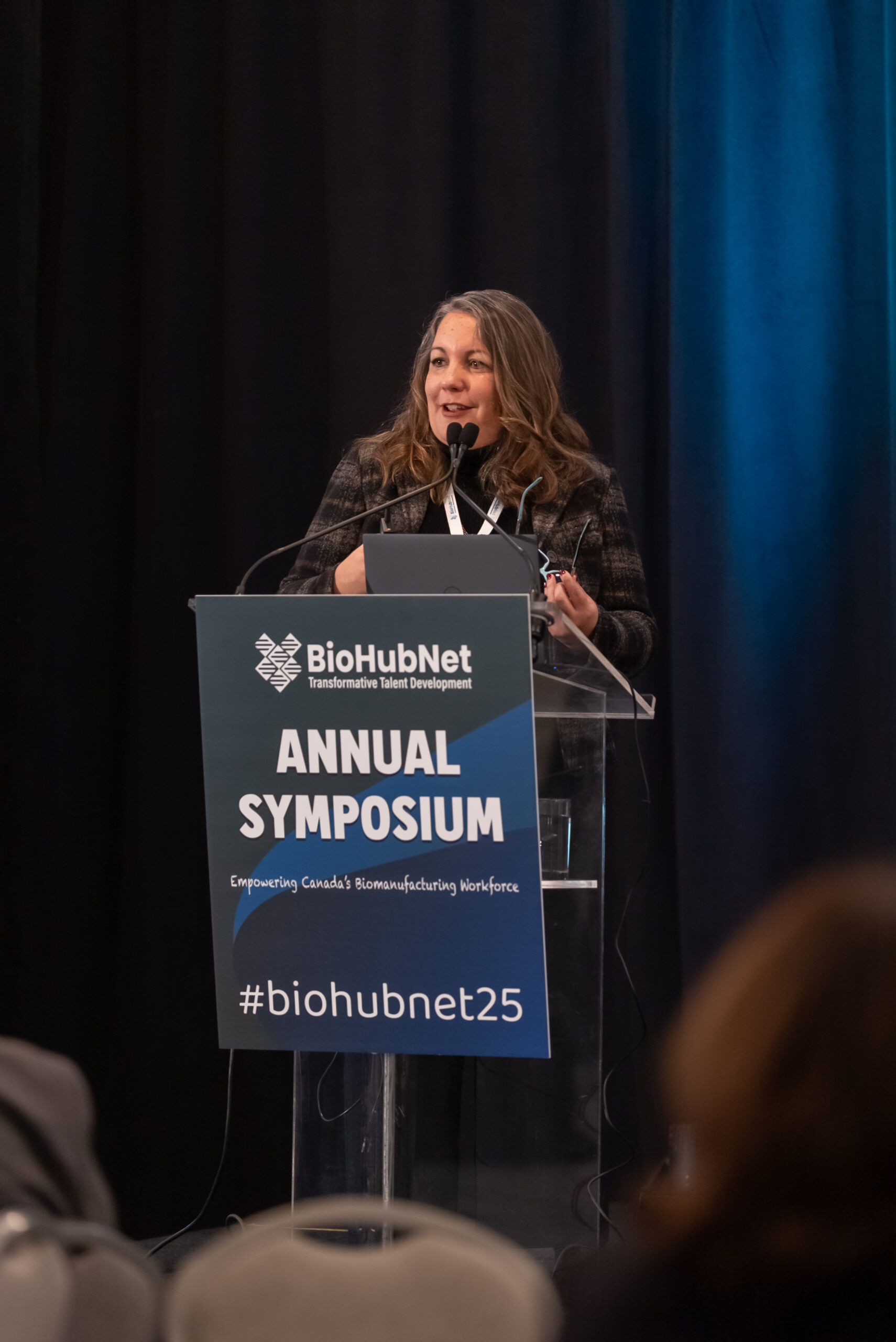
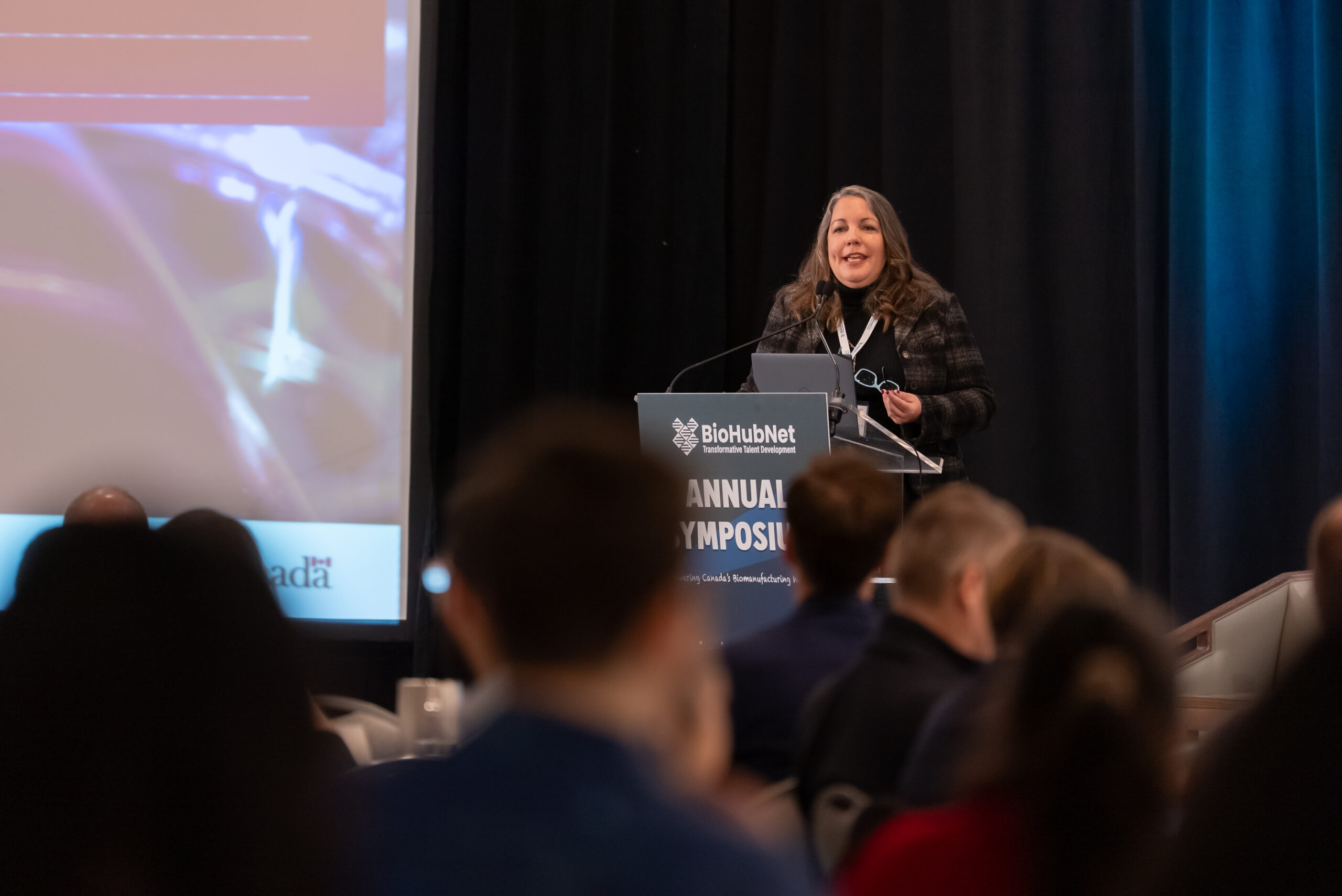
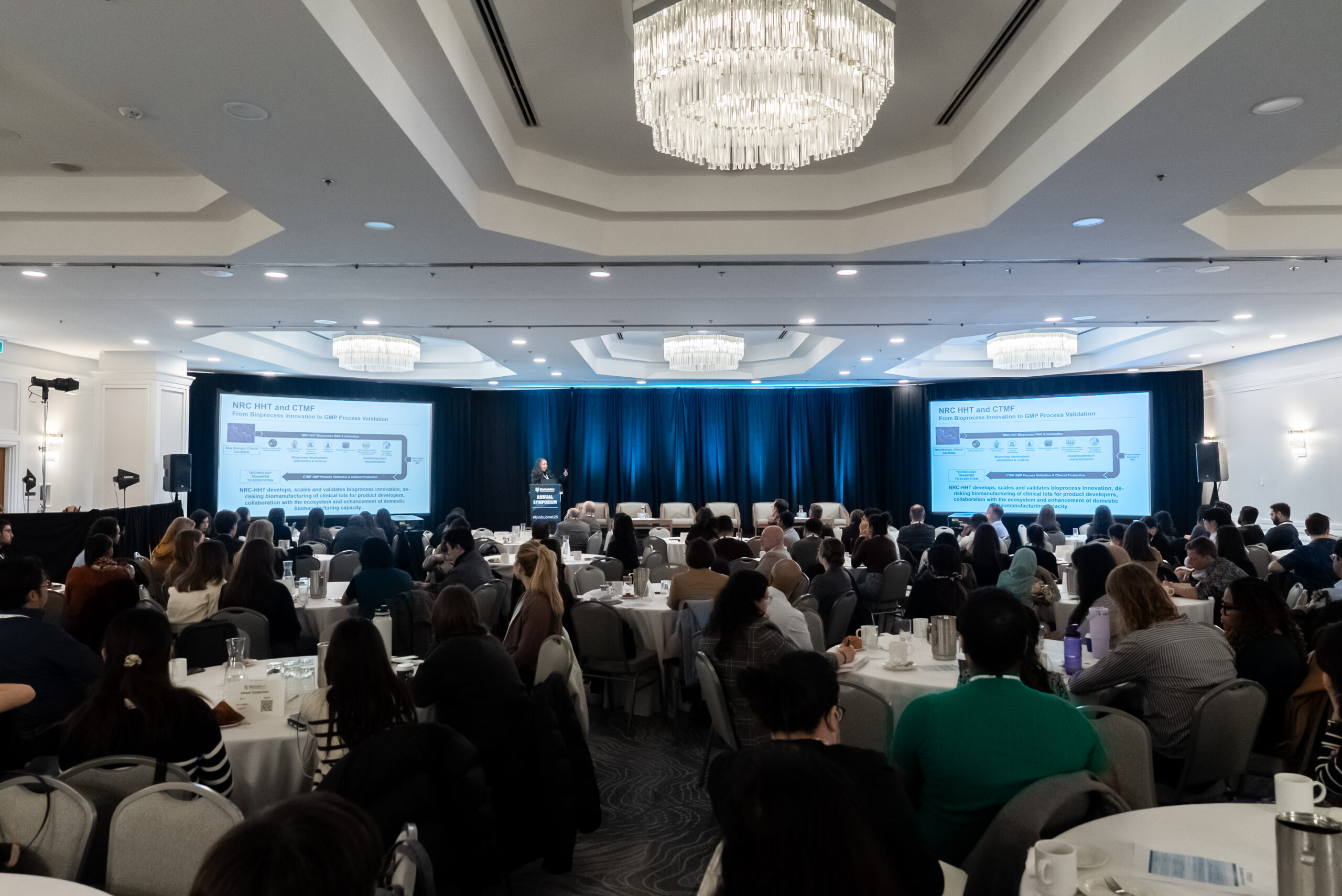
Kelley Parato, R&D Director, Bioprocess Engineering
Human Health Therapeutics Research Centre, National Research Council Canada
Dr. Kelley Parato obtained her PhD in Microbiology and Immunology from University of Ottawa in 2003 followed by post-doctoral training at the Ottawa Hospital Research Centre in the Centre for Cancer Therapeutics, where she researched how oncolytic viruses and the immune system work together to fight cancer. She has more than 15 years of experience in the development, management and evaluation of fundamental discovery and applied translational research programs in the academic, non-for profit and biotech sectors. She joined the National Research Council in 2019 to lead the Disruptive Technology Solutions for Cell and Gene Therapy Challenge Program, before becoming the Director of R&D in Bioprocess Engineering at the Human Health Therapeutics Research Centre. In this current role, Kelley is passionate to foster multi-sectorial research collaborations to support the translation of scientific health research into innovative medicines, using delivery models that promote access, and via advancing biomanufacturing innovation to drive cost-effective product development, and ultimately bring benefit to Canadians.
Summary
Dr. Kelly Parato, Director of R&D (Bioprocess Engineering) at NRC’s Human Health Therapeutics Research Centre, delivered the keynote “From Innovation to Impact,” arguing that with new facilities, fast-growing companies, and fresh partnerships, now is the moment to accelerate talent development. Drawing on her path from immunologist and cancer-therapeutics researcher to NRC program lead, she spotlighted the “valley of death” between discovery and early clinical trials—where Canada’s drop-off from preclinical to Phase I outpaces global averages—and made the case that biomanufacturing expertise and infrastructure are the bridge. She outlined Canada’s Biomanufacturing & Life Sciences Strategy and NRC’s role: end-to-end “gene-to-batch” support; new clinical-trial-material and biologics manufacturing facilities; proprietary platforms (e.g., suspension-adapted Vero cells, advanced CHO/HEK systems for viral vectors); and investments in process analytics, automation, and AI for speed, quality, and pandemic readiness. Parato emphasized workforce needs—cross-disciplinary training, GMP cleanroom skills, and fluency in digital/AI tools—inviting experiential placements and collaboration. She closed with calls for more risk capital and clearer regulatory pathways (e.g., for AI-enabled process control) to move more Canadian innovations into the clinic and market; in Q&A she noted NRC focuses on filling ecosystem gaps rather than duplicating mature capacities like autologous cell therapy or mRNA-LNP manufacturing.
Listen to the audio-only recording.
Panel 1: Beyong the Bench
Key skills and competencies for industry readiness
Moderated by BioHubNet scientific co-director Prof. Gilbert Walker, the panel on “beyond-the-bench” skills brought together Cynthia Elias (Sanofi), Rob Henderson (BioTalent Canada), Anna McGovern (MGI), and graduate voice Logan Germain (Queen’s). The group stressed that employers hire for collaboration, communication, problem framing/solving, documentation and data integrity—then teach the niche technicals. Practical tips included: translate academic work into industry language (project management, SOPs, analytics, reproducibility), build an elevator pitch, research companies and tailor applications, and use interviews to ask sharp, company-specific questions (and state your interest clearly). Elias recommended answering with STAR examples and naming “areas for development” rather than “weaknesses”; McGovern urged networking and having ready wins/conflict/team stories; Henderson highlighted AI literacy, micro-credentials and BioTalent’s competency standards/“BioReady” validation; Germain advocated building a public portfolio (briefs, decks, reviews) and practicing industry fluency through frequent coffee chats. Takeaway: pair core scientific depth with people skills, regulatory mindset, and AI-enabled agility—then engage mentors, internships, and credentials to stand out.
Listen to the audio-only recording.
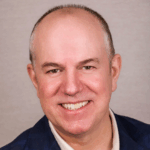
Rob Henderson, President and CEO, BioTalent Canada
Rob led the organization’s growth into a national leader in bioscience talent development. With over 30 years of executive experience, Rob has helped connect thousands of Canadians to careers, championed workplace diversity, and advised governments on HR strategy. He’s a bilingual Quebec native, a biology graduate, and a passionate advocate for inclusion and the life sciences.

Ana McGovern, Executive Recruiter, McGovern Management Group Inc.
Ana McGovern is an accomplished Executive Recruiter and Career Coach specializing in the life sciences industry. Based in the Greater Toronto Area, Ana brings over 20 years of experience recruiting top talent across pharmaceuticals, biotechnology, and medical devices, with a strong emphasis on medical affairs, clinical, and regulatory roles. In recent years, she has also built deep partnerships with CDMOs in biomanufacturing—successfully placing candidates at every level, from cleanroom technicians to senior executives, including CFOs.
As a Career Coach, Ana works closely with postgraduate life science programs and biomanufacturing upskilling initiatives to help students and professionals refine their résumés, enhance their LinkedIn profiles, and excel in job searches and interviews. She has guided hundreds of emerging life science professionals and is passionate about equipping the next generation with the tools and confidence they need to launch successful careers in the industry.

Cynthia Elias, PhD, Senior Principal Scientist, Sanofi
Cynthia Elias, PhD is a Senior Principal Scientist at Sanofi and Adjunct Professor at the University of Toronto. With over 25 years of experience in animal cell culture and bioprocess development, she has held leadership roles in vaccine manufacturing at Sanofi, Toronto, the NRC, Montreal and in a Cell and Gene Therapy CDMO, CCRM, Toronto. Dr. Elias also worked several years in academic research at the NRC, Montreal, leading scientific teams engaged in developing innovative technologies for animal cell culture processes; and holds dual Master’s degrees and a Ph.D. in Biotechnology from the University of Pune, India, along with postdoctoral training in Chemical Engineering from the University of Colorado Boulder, CO, USA. Dr. Elias is committed to fostering collaboration between industry and academia through education and research and has authored several publications in reputed peer-reviewed journals.
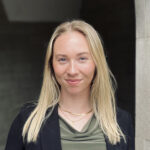
Logan Germain, PhD Candidate, Queen’s University, BioHubNet Trainee
Logan Germain is a 3rd-year PhD Candidate at Queen’s University in the Drug Development & Human Toxicology program. She conducts research on identifying early molecular markers of disease risk following exposure to environmental pollutants in an embryonic cell model. She is particularly interested in how economics and policy shape health and disease, both through a pharmaceutical and environmental protection lens.
Panel 2: Inside Indusry
Read-world career journeys
Moderated by BioHubNet scientific co-director Dr. Darius Rackus (TMU), Inside Industry: Real-World Career Journeys showcased five distinct paths beyond the bench: Lisa Weiss (Associate Director, Strategic Partnerships, Moderna—pandemic preparedness & domestic biomanufacturing), David Seely (Director, Regulatory Affairs—Oncology, AstraZeneca Canada), Helen Sirantis (Associate Director, Analytical & QC, BlueRock Therapeutics), Neil Blackburn (Sr. Director, Process & Analytical Development, OmniaBio), and Jonathan Labriola (Director of Operations, an early-stage U of T spin-out developing ocular biomaterials; Research Associate in Prof. Molly Shoichet’s lab).
What they shared—fast takeaways
-
Careers aren’t linear. Test industry fit via internships or an industrial postdoc; breadth of experience can matter as much as depth.
-
Process/Analytical Dev & MSAT turn science into scalable, GMP-ready processes; QC/QA & method validation skills (even from short, part-time projects) open doors.
-
Regulatory affairs = compiling and steering Health Canada submissions; a strong medical-writing portfolio is a great foot-in-door.
-
Strategic partnerships roles reward “jack-of-all-trades” agility—project management, government/communications, and willingness to wear many hats (yes, even the unglamorous ones).
-
Startups force you to “learn everything”: GMP mindset, budgeting, fundraising, and translating science to investors and regulators.
-
PhD vs. MSc: both valued; titles influence entry point, but progression depends on impact, communication, and collaboration.
-
When to switch roles: self-check for learning and challenge; don’t jump so fast you skip mastering fundamentals.
-
Max your first role/internship: ask to sit in on cross-functional meetings (IP, finance, GMP); make yourself visible—present, ask questions; drop the “my publication” mindset and be a team player; practice tailoring your story for different audiences (operators, managers, regulators, investors).
Bottom line: Pair scientific rigor with GMP discipline, writing/storytelling, and cross-functional curiosity—then keep shipping value wherever you land.
Listen to the audio-only recording.
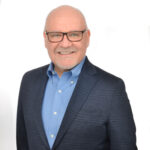
Neil Blackburn, PhD, Senior Director, Process and Analytical Development, OmniaBio Inc.
Neil earned his PhD from the University of Guelph and focused on protein biochemistry and immunology. His post-doctoral training at Eli Lilly and Company focused on dendritic cell tolerization and the interaction of immune cells with novel TLR ligands. Neil next led the development and commercialization of immunochemical-based clinical assays and companion medical devices (Siemens Healthineers) before spending 14 years at Sanofi, in their vaccines division. Holding roles of increasing responsibility at Sanofi, Neil was ultimately accountable to lead transversal CMC teams tasked with ensuring the successful transfer of candidates from early development into late-stage pilot and final launch commercial facilities. He has experience developing tech transfer and PPQ strategies that take full advantage of the QbD design space established in earlier phases of CMC development. Prior to joining OmniaBio, his most recent role was in the small biotech CGT space focused on the development of two complementary assets targeting solid tumours (TILs and oncolytic viruses).
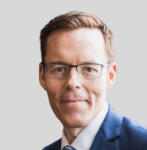
David Sealey, PhD, Director, Regulatory Affairs (Oncology), AstraZeneca Canada
David Sealey, PhD, is Director, Regulatory Affairs (Oncology) at AstraZeneca Canada where he leads a team to grow the product portfolio. Previously, he held roles in Regulatory and Medical Affairs at Johnson & Johnson. David has guided drug development programs at various stages including basic and translational research, early clinical development (IND), application for marketing authorization (NDS/SNDS), post-approval lifecycle management, and observational research (real-world evidence). He has covered multiple therapeutic areas including oncology, immunology, infectious diseases, cardiovascular/metabolism, neuroscience and rare disease. David trained at the Campbell Family Institute for Breast Cancer Research. He holds a Ph.D. (Medical Biophysics) and Hon.B.Sc. (Pharmacology) from the University of Toronto. David is a Mentor at the Health Innovation Hub (H2i), and previously served as Adjunct Professor, Graduate Professional Development (Molecular Genetics), and Mentor (University College), at the University of Toronto. David led the Science Career Impact Project, delivering transformational experiences to sciences trainees seeking careers in industry.

Lisa Wise-Milestone, PhD, P.Eng., Associate Director, Strategic Partnerships, Moderna Canada
Lisa leads the execution of the Moderna’s Canadian strategy for pandemic preparedness and domestic biomanufacturing. She is the key interface with government teams collaborating with Moderna on biomanufacturing and pandemic preparedness, driving execution of various commitments, and represents Moderna on the external governance framework established with the government. Previously, she held a multi-faceted role with the commercialization team of the Ontario Institute for Cancer Research. Prior to that role, she was a Manager at KPMG LLP in the Scientific Research and Experimental Development tax incentives team. Lisa has more than 10 years’ experience in academic research settings, having completed a PhD in bioengineering from the University of Toronto and a postdoctoral fellowship at Sunnybrook Research Institute.

Helen Sarantis, PhD, Associate Director, Analytical & Quality Control, BlueRock Therapeutics
Helen Sarantis received her BSc (Hons; Microbiology) as well as her PhD (Molecular Genetics) from the University of Toronto. After her PhD, she completed a postdoctoral fellowship at the Hospital for Sick Children (Cell Biology). Helen has over 10 years of experience in the biotech industry, and has held positions in QC, QA, and R&D, supporting method and process validation, method transfers, and analytical lifecycle management, as well as safety testing and potency strategy for biologics and cell therapies. She is currently Associate Director, Analytical & Quality Control, at BlueRock Therapeutics. Helen lives in Toronto with her husband and two daughters.
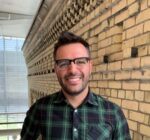
Jonathan Labriola, PhD, Director of Operations, Synakis, BioHubNet Trainee
Jonathan obtained his master’s degree at the University of Ottawa and doctoral degree at McGill University, with a focus on biochemistry, neurology, and immunology. He completed post-doctoral training at the Donnelly Centre, University of Toronto, first in the lab of Sachdev Sidhu, where he developed skills in protein engineering and therapeutics development to treat degenerative disease, and then in Prof. Molly Shoichet’s lab, where he has focussed on protein biologic formulations to treat retinal diseases. Currently, he is a Research Associate in Molly Shoichet’s lab and Director of Operations for Synakis, an early-stage biotechnology company that is developing medical devices and formulations to treat ocular disease.
Spotlight on EQUIP VentureLift Awardees
Spotlight on EQUIP VentureLift Awardees — Lightning Talks Recap
Format: 3-min pitches + 2-min Q&A showcasing BioHubNet EQUIP VentureLift awardees turning lab breakthroughs into real products.
-
Marc Shenouda — Neuropeutics Inc. (ALS small-molecule therapy, JMS-22)
Tackles TDP-43 pathology at the root: clears cytoplasmic aggregates and restores nuclear function; ~30% pathology reduction in humanized mouse model after 2 weeks. Pre-seed raise in progress; IND-enabling on deck with a multi-year path to a combined Phase 1b/2a. BioHubNet -
Ehsan Zare Bidaki — ThermOcular AI Corp. (30-second dry-eye screen)
Dual visible+thermal camera quantifies tear-film cooling for rapid, objective diagnosis in routine exams. Clinical testing on 78 patients; in talks with 5 clinics (target 10 by early 2026). Preparing FDA/Health Canada submissions (Class II device) with a planned 2028 launch. BioHubNet -
Narjes Allahrabbi — Fertilead Inc. (microfluidic IUI sperm selection)
Patent-pending device mimics natural selection to enrich healthy sperm ~20% better than conventional prep and ~33% faster, aiming to lift IUI success closer to IVF while reducing unnecessary IVF costs. Animal data completed; MVP clinical validation next year; FDA filing targeted for early 2027. BioHubNet -
Jonathan Labriola — Synakis (biomimetic vitreous substitute)
Hyaluronan-based injectable that matches native vitreous optics/mechanics: patients can see during healing, no head-posturing, and no second surgery (resorbable). CMC largely set; IDE-enabling studies next for first-in-human in Canada; ~$5M raise to cross the valley-of-death. BioHubNet -
Olga Klushina — Oculum (AI “virtual stain” for retina surgery)
Real-time, microscope add-on that highlights transparent retinal membranes—aims to replace toxic, slow, skill-dependent dyes. Second clinical study underway at Sunnybrook; VentureLift funding accelerates software validation and first fully functional prototype. BioHubNet -
Stephanie Buryk-Iggers — Sparked Inc. (saliva CVD risk screening)
Handheld, lab-free device delivering <6-minute low/mod/high risk readouts via protein biomarkers; prototype validated on human saliva, strong non-dilutive support to date. Go-to-market: D2C under FDA Wellness Policy to gather data, then full clinical regulatory pathway; current models boost AUC from ~0.5 to ~0.7 with two leading markers. BioHubNet -
Avantika Vaidya (presenting for Sushant Singh) — VRiT Inc. (on-demand skin regeneration)
INSITE handheld bioprinter + “Shield” off-the-shelf cell therapy to regenerate skin directly on wounds—reducing graft failures, pain, and scarring, and enabling care from burn centers to austere settings. Printer targets a 510(k) route; cell therapy follows a full drug pathway; VentureLift funds a health-technology assessment to guide validation. BioHubNet+2Health Innovation Hub (H2i) @ U of T+2
Cross-cutting takeaways
-
Early regulatory clarity (device class, IDE/IND timing, Wellness Policy beachheads) shortens time to first evidence and revenue.
-
Non-dilutive capital (awards, grants, institutional partners) is bridging teams to clinical inflection points.
-
Clinician co-design (e.g., Sunnybrook, Waterloo clinics) de-risks usability and adoption.
-
Patient-centric wins—faster screening, fewer surgeries, better comfort—are the strongest commercial stories.
Bottom line: EQUIP VentureLift is moving founders from slide decks to submissions—tight timelines, real clinics, and measurable patient impact.
Listen to the audio-only recording.
Professional Development Workshop
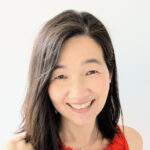
Nana Hyung-Ran Lee, PhD, Associate Professor, Teaching Stream, Director of Graduate Professional Development, Department of Biochemistry, Special Advisor to the Dean, Graduate Education, Temerty Faculty of Medicine, University of Toronto
Dr. Nana Lee holds a PhD in Biochemistry from University of Toronto, a Postdoctoral Fellowship at University of Michigan and was a Visiting Scholar at MIT. Her roles in the biotechnology industry include Senior Research Scientist and Director of Application Science. She is currently Special Advisor of Graduate Education to the Dean, Associate Professor, Teaching Stream & Director of Graduate Professional Development (GPD), Department of Biochemistry at Temerty Faculty of Medicine (TFoM), University of Toronto. Dr. Lee co-pioneered the implementation of curriculum-embedded GPD in 2012 as highlighted in Science Careers. She expanded her scholarship during her sabbatical at Harvard Medical School and Stanford University in 2022-2023. Dr. Lee has presented to over 4000 global learners, received the 2022 TFoM Excellence in Professional Values Award, and launched her book “Success In Graduate School and Beyond” in 2024. She also released her debut album as singer-songwriter Nana Lee Piano Keys in 2025.

Ketheisan Vigneshwaran, BMath, BEd, Career Educator, Career Exploration & Education, Student Life, University of Toronto
Ketheisan (pronounced Kay-thee-sen), pronouns he/him, is a Career Educator with the Career Exploration & Education team – a division with Student Life at the University of Toronto.
Ketheisan, who has completed degrees in mathematics and education at the University of Waterloo and Ontario Tech University (formerly University of Ontario Institute of Technology), respectively, and has been passionately building his career around creating inclusive learning and team environments, while focused on supporting student learning and development through a lens of empathy, hope, and reflection. Some of the organizations Ketheisan has created and facilitated educational content for include the University of Waterloo, York Region District School Board, and TD Canada Trust.
Ketheisan, who has completed degrees in mathematics and education at the University of Waterloo and Ontario Tech University (formerly University of Ontario Institute of Technology), respectively, and has been passionately building his career around creating inclusive learning and team environments, while focused on supporting student learning and development through a lens of empathy, hope, and reflection. Some of the organizations Ketheisan has created and facilitated educational content for include the University of Waterloo, York Region District School Board, and TD Canada Trust.
Training Week Recap
Symposium Partners